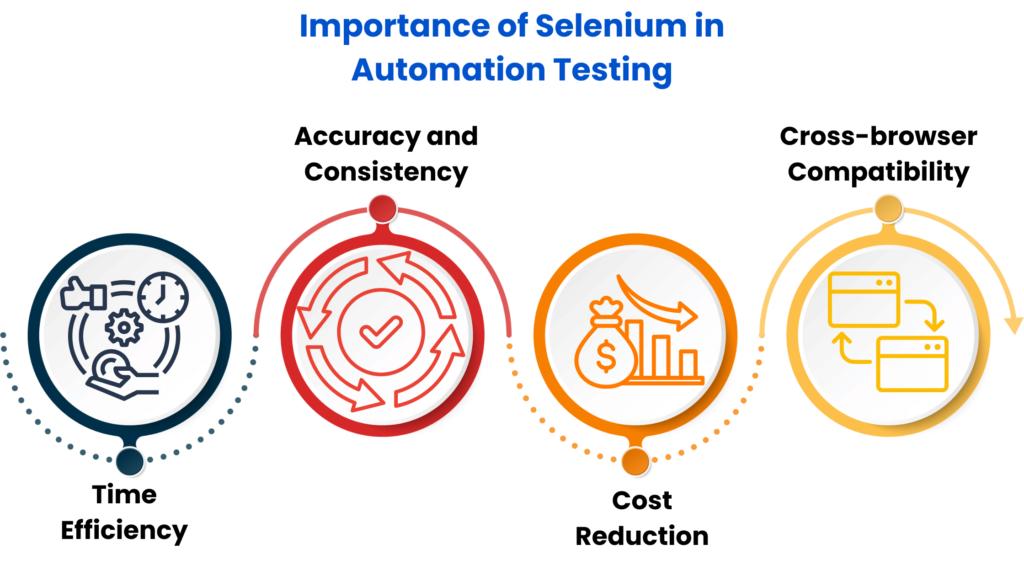
Automation testing has become a critical part of modern software development, and among all available tools, Selenium stands out as one of the most widely used. From startups to large enterprises, many organizations rely on Selenium for their testing needs. But what makes Selenium so popular in automation testing?
In this blog, we will explore the key reasons behind Selenium’s popularity and why it continues to dominate the testing industry.
Open-Source and Free to Use
One of the biggest reasons for Selenium’s popularity is that it is open-source. This means anyone can use it without paying licensing fees.
For companies and individuals, this is a major advantage because it reduces costs while still providing powerful automation capabilities.
Supports Multiple Programming Languages
Selenium supports various programming languages such as:
- Java
- Python
- JavaScript
- C#
This flexibility allows testers and developers to work with a language they are already comfortable with. It also makes Selenium accessible to a wider audience.
Cross-Browser Compatibility
Web applications need to work across different browsers like Chrome, Firefox, Edge, and Safari. Selenium allows testers to run tests on multiple browsers using the same scripts.
This feature is essential for ensuring a consistent user experience across platforms.
Strong Community Support
Selenium has a large and active community of users. This means:
- Easy access to tutorials and guides
- Quick solutions to problems
- Continuous updates and improvements
For beginners, community support plays a huge role in learning and troubleshooting.
Integration with Tools and Frameworks
Selenium can be easily integrated with:
- Test frameworks like TestNG and JUnit
- Build tools like Maven
- CI/CD tools like Jenkins
These integrations help automate the entire testing process, from execution to reporting, making Selenium suitable for modern DevOps environments.
Scalable and Flexible
Selenium is highly scalable and can be used for:
- Small projects
- Large enterprise applications
With tools like Selenium Grid, tests can be executed on multiple machines simultaneously, saving time and improving efficiency.
Real-Time Testing Capabilities
Selenium allows testers to simulate real user interactions, such as:
- Clicking buttons
- Filling forms
- Navigating web pages
This makes testing more realistic and helps identify issues that might affect users.
Continuous Development and Updates
Selenium is continuously updated to support new browser versions and features. This ensures that it remains relevant in a fast-changing technology landscape.
Limitations to Consider
While Selenium is popular, it does have some limitations:
- It supports only web applications
- Requires programming knowledge
- Needs additional tools for reporting
However, these limitations are manageable and do not outweigh its advantages.
Who Should Use Selenium?
Selenium is suitable for:
- Manual testers transitioning to automation
- QA professionals
- Developers interested in testing
- Beginners learning automation
Final Thoughts
Selenium’s popularity in automation testing comes from its flexibility, scalability, and strong community support. It provides everything needed to build efficient and reliable automation frameworks.
For anyone looking to start a career in automation testing, Selenium is one of the best tools to learn. With the right practice and guidance, it can open doors to many career opportunities in the IT industry.